
Cryptocurrency prices
Play-to-earn (P2E) games, also known as GameFi, has emerged as an extremely popular category in the crypto space. It combines non-fungible tokens (NFT), in-game crypto tokens, decentralized finance (DeFi) elements and sometimes even metaverse applications bike and scooter rental market. Players have an opportunity to generate revenue by giving their time (and sometimes capital) and playing these games.
Each of our coin data pages has a graph that shows both the current and historic price information for the coin or token. Normally, the graph starts at the launch of the asset, but it is possible to select specific to and from dates to customize the chart to your own needs. These charts and their information are free to visitors of our website. The most experienced and professional traders often choose to use the best crypto API on the market. Our API enables millions of calls to track current prices and to also investigate historic prices and is used by some of the largest crypto exchanges and financial institutions in the world. CoinMarketCap also provides data about the most successful traders for you to monitor. We also provide data about the latest trending cryptos and trending DEX pairs.
Cryptocurrency works through networks of nodes that are constantly communicating with each other to stay updated about the current state of the ledger. With permissionless cryptocurrencies, a node can be operated by anyone, provided they have the necessary technical knowledge, computer hardware and bandwidth.
CoinMarketCap does not offer financial or investment advice about which cryptocurrency, token or asset does or does not make a good investment, nor do we offer advice about the timing of purchases or sales. We are strictly a data company. Please remember that the prices, yields and values of financial assets change. This means that any capital you may invest is at risk. We recommend seeking the advice of a professional investment advisor for guidance related to your personal circumstances.
Cryptocurrency exchanges provide markets where cryptocurrencies are bought and sold 24/7. Depending on the exchange, cryptocurrencies can be traded against other cryptocurrencies (for example BTC/ETH) or against fiat currencies like USD or EUR (for example BTC/USD). On exchanges, traders submit orders that specify either the highest price at which they’re willing to buy the cryptocurrency, or the lowest price at which they’re willing to sell. These market dynamics ultimately determine the current price of any given cryptocurrency.
Cryptocurrency market
A cryptocurrency exchange is a platform that facilitates markets for cryptocurrency trading. Some examples of cryptocurrency exchanges include Binance, Bitstamp and Kraken. These platforms are designed to provide the best possible prices for both buyers and sellers. Some exchanges only offer cryptocurrency markets, while others also allow users to exchange between cryptocurrencies and fiat currencies such as the US dollar or the euro. You can buy and sell Bitcoin on practically all cryptocurrency exchanges, but some exchanges list hundreds of different cryptocurrencies. One metric that is important for comparing cryptocurrency exchanges is trading volume. If trading volume is high, your trades will execute fast and at predictable prices.
We calculate a cryptocurrency’s market cap by taking the cryptocurrency’s price per unit and multiplying it with the cryptocurrency’s circulating supply. The formula is simple: Market Cap = Price * Circulating Supply. Circulating supply refers to the amount of units of a cryptocurrency that currently exist and can be transacted with.
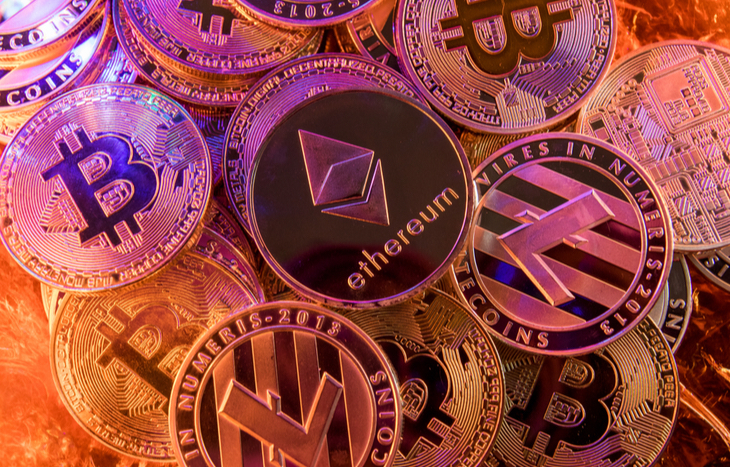
A cryptocurrency exchange is a platform that facilitates markets for cryptocurrency trading. Some examples of cryptocurrency exchanges include Binance, Bitstamp and Kraken. These platforms are designed to provide the best possible prices for both buyers and sellers. Some exchanges only offer cryptocurrency markets, while others also allow users to exchange between cryptocurrencies and fiat currencies such as the US dollar or the euro. You can buy and sell Bitcoin on practically all cryptocurrency exchanges, but some exchanges list hundreds of different cryptocurrencies. One metric that is important for comparing cryptocurrency exchanges is trading volume. If trading volume is high, your trades will execute fast and at predictable prices.
We calculate a cryptocurrency’s market cap by taking the cryptocurrency’s price per unit and multiplying it with the cryptocurrency’s circulating supply. The formula is simple: Market Cap = Price * Circulating Supply. Circulating supply refers to the amount of units of a cryptocurrency that currently exist and can be transacted with.
With a blockchain, it’s possible for participants from across the world to verify and agree on the current state of the ledger. Blockchain was invented by Satoshi Nakamoto for the purposes of Bitcoin. Other developers have expanded upon Satoshi Nakamoto’s idea and created new types of blockchains – in fact, blockchains also have several uses outside of cryptocurrencies.
Bitcoin is the most popular cryptocurrency and enjoys the most adoption among both individuals and businesses. However, there are many different cryptocurrencies that all have their own advantages or disadvantages.
Top cryptocurrency
Like Tether, USD Coin (USDC) is a stablecoin, meaning it’s backed by U.S. dollars and aims for a 1 USD to 1 USDC ratio. USDC is powered by Ethereum, and you can use USD Coin to complete global transactions.
These crypto coins have their own blockchains which use proof of work mining or proof of stake in some form. They are listed with the largest coin by market capitalization first and then in descending order. To reorder the list, just click on one of the column headers, for example, 7d, and the list will be reordered to show the highest or lowest coins first.
Cryptocurrency is treated as a capital asset, like stocks, rather than cash. That means if you sell cryptocurrency at a profit, you’ll have to pay capital gains taxes. This is the case even if you use your crypto to pay for a purchase. If you receive a greater value for it than you paid, you’ll owe taxes on the difference.
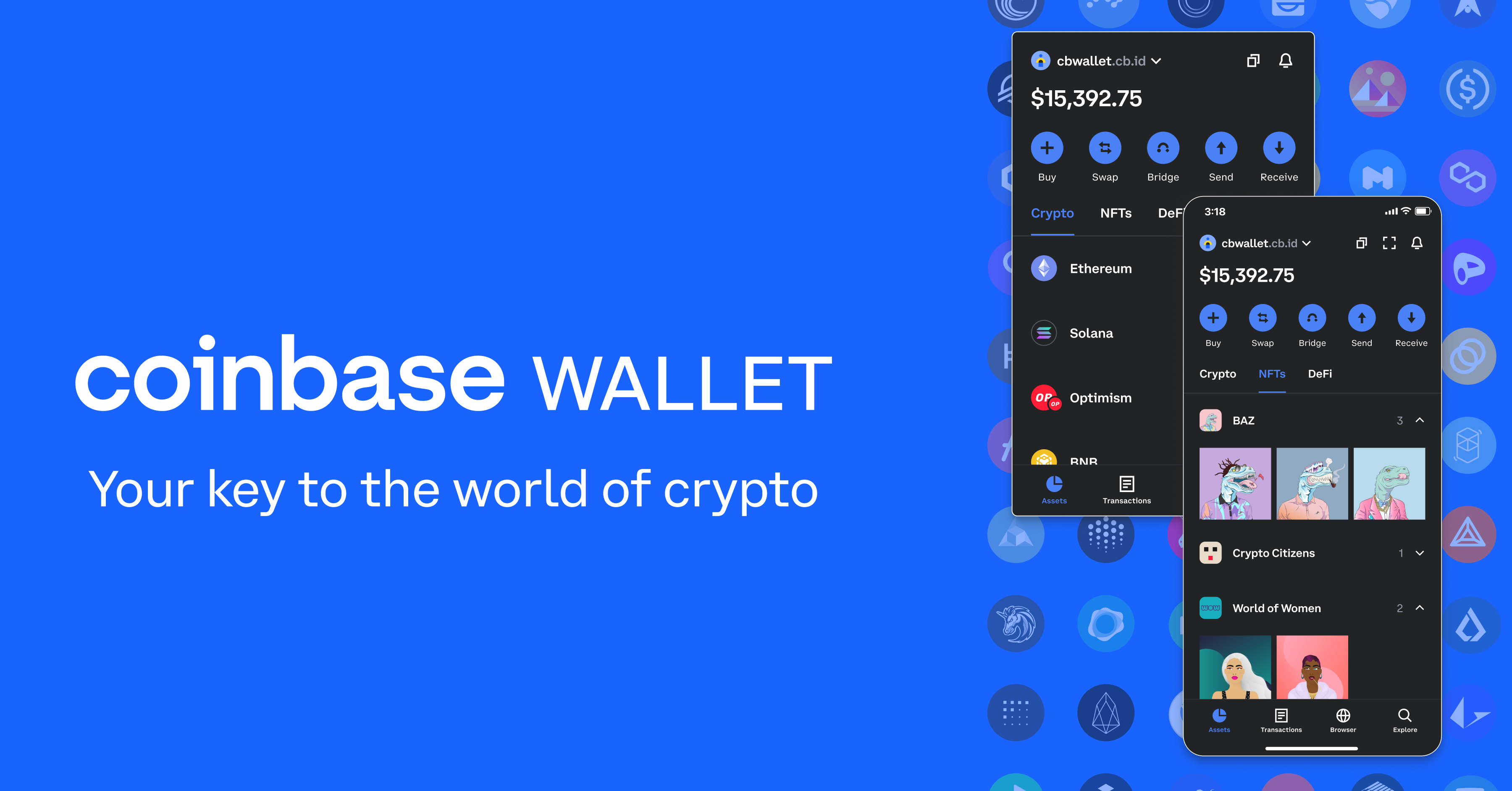
Like Tether, USD Coin (USDC) is a stablecoin, meaning it’s backed by U.S. dollars and aims for a 1 USD to 1 USDC ratio. USDC is powered by Ethereum, and you can use USD Coin to complete global transactions.
These crypto coins have their own blockchains which use proof of work mining or proof of stake in some form. They are listed with the largest coin by market capitalization first and then in descending order. To reorder the list, just click on one of the column headers, for example, 7d, and the list will be reordered to show the highest or lowest coins first.
Cryptocurrency is treated as a capital asset, like stocks, rather than cash. That means if you sell cryptocurrency at a profit, you’ll have to pay capital gains taxes. This is the case even if you use your crypto to pay for a purchase. If you receive a greater value for it than you paid, you’ll owe taxes on the difference.